Metal braces
The most common choice, and more comfortable and efficient than ever. High-grade stainless steel brackets and wires, with colored bands kids can switch at every visit.
Open Mon–Thu, 7:30 am – 4:30 pm
Board-certified orthodontist Dr. Sara Finkleman treats children and teens at EverGrins with early (Phase 1) treatment, metal and ceramic braces, and Invisalign. The first orthodontic exam is free, and we recommend it by age 7.

By age 7, the first permanent molars and most of the permanent front teeth have usually come in. That makes it the right time to spot crowding, crossbites, gaps and jaw growth problems. Most 7-year-olds don't need braces, but some problems are much easier to correct while a child is still growing.
At the free first visit, Dr. Finkleman examines your child's teeth and bite, then sits down with you to explain what treatment (if any) is needed, how long it will take and what it will cost. You'll have everything you need to decide.

Early (Phase 1) treatment is for kids who still have a mix of baby and permanent teeth, usually ages 7 to 10. It typically lasts 9 months to a year and has a specific goal, like correcting a crossbite or making room for permanent teeth.
Full (comprehensive) treatment is for kids who have all their permanent teeth. It usually means upper and lower braces to line up every tooth and create a healthy bite.
When both are needed, treatment happens in two phases. Starting early can prevent the need to remove permanent teeth or have jaw surgery later. Dr. Finkleman takes records (scans or models, x-rays and photos) at the start to plan the right appliances, timing and visit schedule.
Usually ages 7 to 10. Helps the jaws grow to fit all the permanent teeth and improves how the upper and lower jaws fit together. Kids over 6 with a narrow or overgrowing upper jaw, or 8-year-olds with crowded front teeth, are often good candidates.
The remaining permanent teeth come in on their own. Retainers may be skipped if they'd get in the way. A successful Phase 1 leaves room for these teeth so they don't become impacted.
Once all permanent teeth are in, braces on all the teeth put each one in its exact place, in harmony with the lips, cheeks, tongue and bite. Retainers afterward keep the smile in place.
Most kids and teens choose metal braces with colored bands, but there are options for every smile. Dr. Finkleman will help you choose.
The most common choice, and more comfortable and efficient than ever. High-grade stainless steel brackets and wires, with colored bands kids can switch at every visit.
Tooth-colored brackets that are less visible than metal. They're larger and more brittle, so they need extra care with brushing and are used most often on upper front teeth.
A series of clear aligners that move teeth step by step. Getting started takes photos, x-rays and a scan or impression of the teeth.
Your child may wear one or more of these during treatment. If something breaks or goes missing, this list will help you tell us what it is so we can repair or replace it.
Something broken or poking? See orthodontic emergencies for quick fixes at home.
Clear, thin plastic trays made to fit exactly over the teeth so they don't shift after treatment. Usually worn full-time for a month or two, then at night long term.
Widens the upper jaw with gentle pressure on the upper molars each time it's adjusted. Dr. Finkleman will show you when and how to adjust it. Once the jaw is wide enough, it stays in for several months to hold the expansion.
A simple device that corrects open bites (front teeth that don't meet) by training the tongue to rest on the roof of the mouth instead of pushing against the teeth. It treats the cause, not just the result.
A small, smooth appliance used with rubber bands to bring uneven upper and lower jaws into line, often in 3 to 6 months. It replaces bulkier devices like headgear and Herbst appliances.
Rubber bands improve how the upper and lower teeth fit together. They work best when worn exactly as prescribed.
Small rubber rings placed between teeth to make room for bands at the next visit. They're removed before the bands go on. Avoid sticky foods, toothpicks and floss around them.
Still wondering about something? Call 425-255-6008 or email hello@evergrins.com.
By age 7. That's when the first permanent molars and most permanent front teeth are usually in, so an orthodontist can spot bite and jaw problems early. Most 7-year-olds don't need braces yet, but monitoring growth helps time treatment well. The first visit at EverGrins is a free exam.
Nothing. Your first orthodontic visit at EverGrins is a free exam for you or your child.
Two-phase treatment splits orthodontic care into an early phase and a later phase. Phase 1, usually ages 7 to 10, fixes specific jaw or bite problems while the child is still growing. After a resting period while permanent teeth come in, Phase 2 uses full braces to put every tooth in its ideal position. Early treatment can prevent the need to remove permanent teeth or have jaw surgery later.
Phase 1 treatment usually lasts about 9 months to a year. It targets a specific goal, like correcting a crossbite or making room for permanent teeth, and is almost always followed by full braces once all permanent teeth are in.
Yes. Along with metal and ceramic braces, EverGrins offers Invisalign clear aligners, a series of clear trays that move teeth step by step. Dr. Finkleman will help you choose the best option for your child.
Records are the models or scans of the teeth, x-rays and photos taken at the start of treatment. Dr. Finkleman uses them to decide whether early treatment is needed, which appliances to use, how long treatment will take and how often visits are needed.
Yes. With metal braces, kids can pick new colored bands at each adjustment appointment. At EverGrins we make braces fun, and many kids love showing them off.
A diplomate of the American Board of Orthodontics.
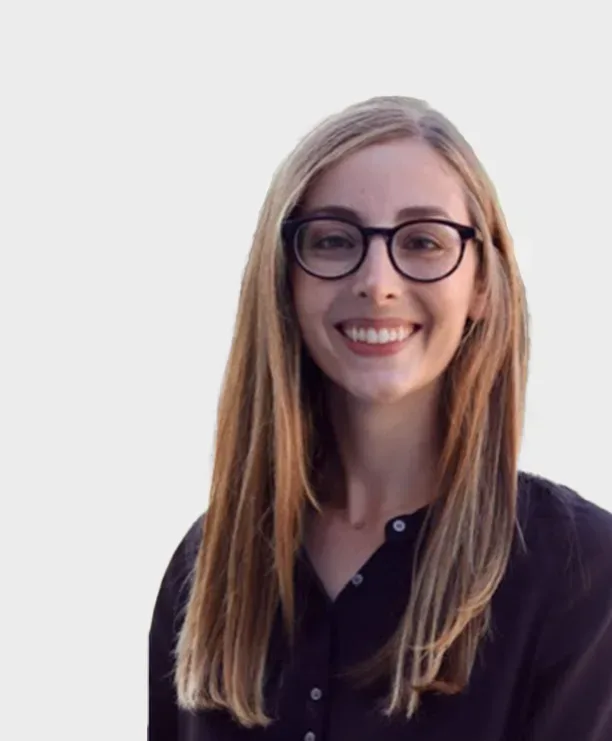
Orthodontist
A Tacoma native, Dr. Finkleman studied biology at Whitman College, then earned her dental degree, three years of orthodontic specialty training and a Master of Science in Dentistry at the University of Washington. She knew she wanted to be an orthodontist after her own braces changed her smile.
Diplomate, American Board of Orthodontics
The first visit with Dr. Finkleman is free. We recommend it by age 7, but it's never too late for an EverGrins smile.